-
How Vinyl Records Shaped the Sound of Modern Music
Discover how the evolution of vinyl records in modern music transformed production, culture, and sound — and why their influence still resonates today.
-
Why Vintage Instruments Remain in High Demand: Timeless Quality and Unique Sound Appeal
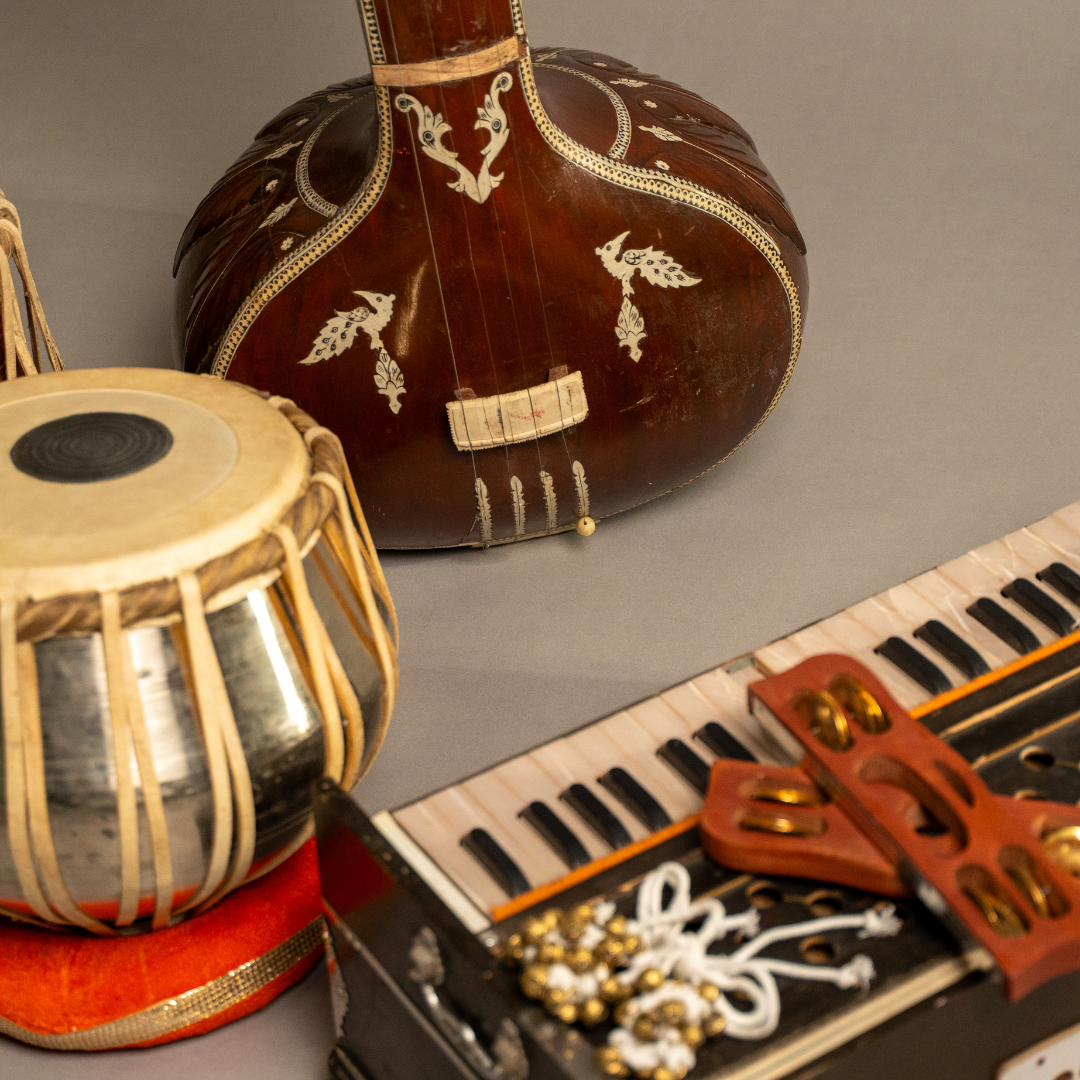
Many musicians and collectors continue to seek vintage instruments because they offer unique qualities not often found in modern counterparts. The craftsmanship, materials, and sound characteristics from past decades create an experience valued by players and enthusiasts alike. Vintage instruments remain in high demand because they combine historical significance with distinctive tonal qualities that modern mass-produced instruments often lack. This combination makes them appealing both as playable tools and as collectable items with enduring value. Beyond sound, the story behind each instrument adds a layer of authenticity, making them desirable for those who appreciate tradition and heritage in music. This blend of performance and legacy keeps vintage instruments relevant across…
-
Why the Revival of Analogue Gear Matters to Musicians for Authentic Sound and Creative Expression
Musicians are increasingly turning back to analogue gear to achieve a sound quality and tactile experience that digital tools often lack. The revival of analogue equipment matters because it offers a unique warmth and character that enhances creativity and musical expression. This shift reflects a broader desire for authenticity in music production. Analogue gear provides hands-on control and an organic response that digital alternatives cannot fully replicate. It encourages musicians to engage more deeply with their instruments, fostering a more intuitive and inspiring creative process. Beyond sound, many artists appreciate the physical presence and workflow that analogue devices bring. The revival is not just about nostalgia; it is about integrating…
-
Why the Festival Experience Is More Than Just Music: Exploring Community, Culture and Connection
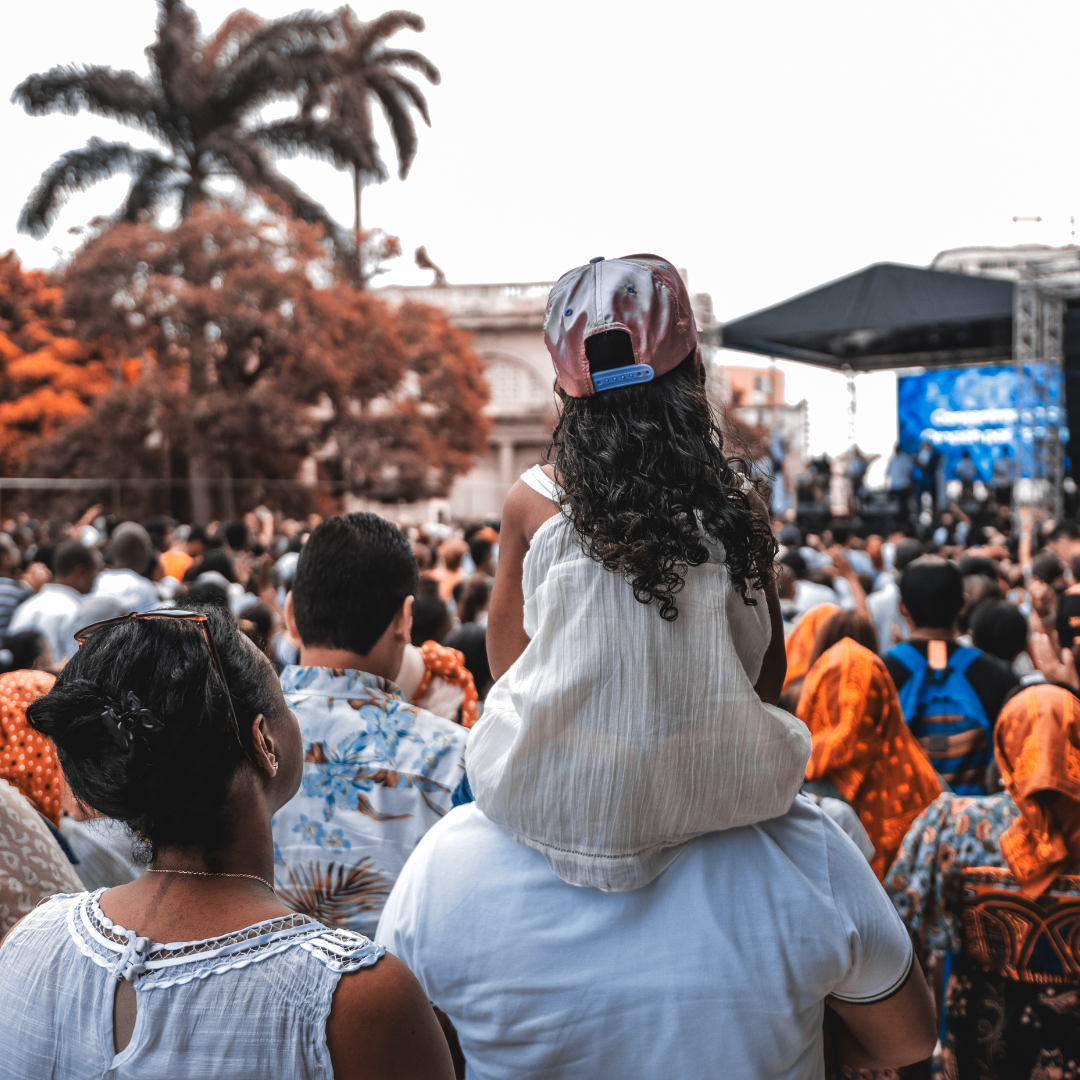
Festivals draw people together not just for the music, but for an immersive experience that engages all the senses. Attendees find community, culture, and creativity that extend beyond the stage. The festival experience offers connection, atmosphere, and shared moments that music alone cannot provide. Beyond live performances, festivals create unique spaces where art, food, and social interactions merge. These elements combine to form memories and feelings that stay with people long after the final song ends. This blend of factors makes festivals rich, multi-dimensional events. They provide personal and collective experiences that make attending worthwhile beyond simply listening to music. Connection and Community at Festivals Festivals bring people together through…
-
Why Storytelling Is the Soul of Live Performance: Essential Elements That Engage and Inspire Audiences
Live performance connects artists and audiences through shared experience, where storytelling acts as the essential thread. It transforms mere actions into meaningful moments that engage emotions and ideas. Storytelling is the soul of live performance because it gives context and purpose to the expressions on stage, making the experience memorable and impactful. Without a story, performances risk losing their depth and emotional resonance. Whether through drama, music, dance, or spoken word, narrative shapes the way audiences perceive and relate to what they witness. This article explores why storytelling remains central to the power of live art. The Central Role of Storytelling in Live Performance Storytelling in live performance creates a…
-
Why Sound Design Is the Secret Weapon in Music: Unlocking Creative Potential and Impact
Sound design shapes the way music is experienced by giving tracks their unique texture and emotional depth. It’s not just about notes or lyrics; it’s about how sounds are crafted to create atmosphere and impact. Sound design is the secret weapon because it transforms ordinary music into something memorable and immersive. Producers use sound design to build character in their work, making tracks stand out in a crowded market. The subtle choices in sound selection and manipulation influence how listeners connect with a song on a deeper level. Understanding sound design shows how much a piece of music can communicate without words. It reveals the unseen craftsmanship behind every beat…
-
Why Live Performance Remains the Heart of Musical Connection in an Increasingly Digital World
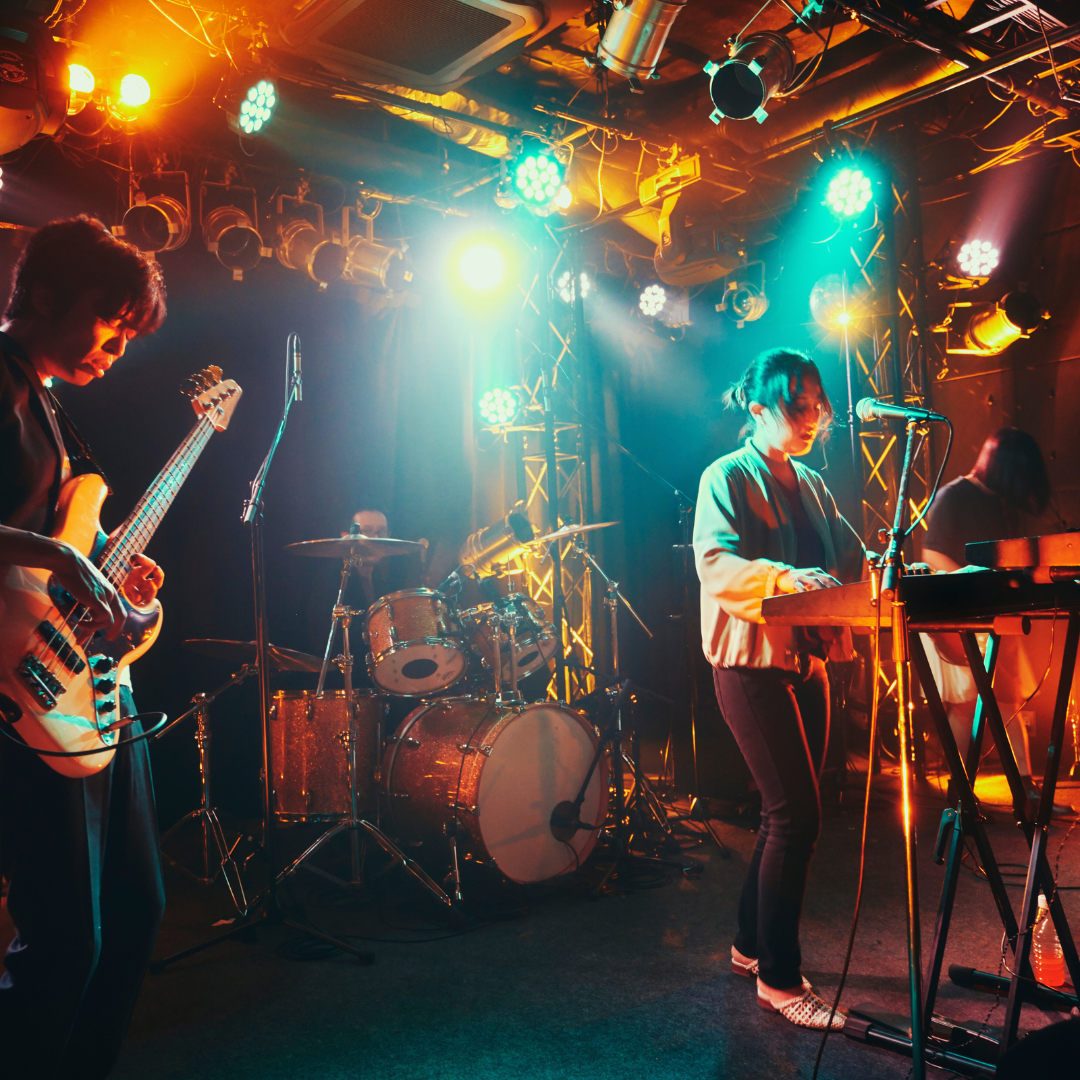
Live performance remains the heart of musical connection because it creates an immediate and shared experience between the artist and the audience. The energy exchanged in a live setting cannot be replicated through recordings or digital platforms, making it a unique form of communication. When people gather for a concert, they engage all their senses, absorbing not just the sound but also the atmosphere and the raw emotion of the moment. This environment fosters a deeper appreciation and understanding of the music. Even in an age dominated by streaming and virtual access, the power of seeing music performed live continues to draw people together. It bridges gaps, unites strangers, and…
-
Why Indie Musicians Favour Analogue Gear For Authentic Sound and Creative Control
Indie musicians often choose analogue gear for its distinctive sound quality and hands-on control. Unlike digital equipment, analogue devices produce warmth and subtle imperfections that many artists find appealing and authentic. The preference for analogue gear comes down to its ability to capture a richer, more organic sound that digital tools often cannot replicate. This quality helps musicians maintain a unique identity in a highly saturated music scene. Additionally, the tactile experience of using analogue instruments encourages creativity and experimentation. Musicians can physically interact with their equipment, making the production process more engaging and personal. Core Reasons Indie Musicians Favour Analogue Gear Indie musicians choose analogue gear for specific benefits…
-
Why Cultural Memory Lives On Through Music: The Power of Sound in Preserving Heritage
Music holds the stories and emotions of communities, making cultural memory accessible across generations. It acts as a living archive, preserving traditions and historical experiences in a form that resonates deeply with people. Cultural memory lives on through music because it connects individuals to their collective past, sustaining identity and shared values over time. This connection helps people remember and understand where they come from, even as their societies change. Through rhythm, melody, and lyrics, music carries not only facts but feelings that words alone often cannot express. It continues to shape how cultures remember and celebrate their heritage. The Power of Music in Shaping Cultural Memory Music functions as…
-
How Underground Music Scenes Challenge the Mainstream: Shaping Culture Beyond the Spotlight
Underground music scenes have continuously pushed against the boundaries set by mainstream culture. They offer alternative sounds, themes, and methods that question popular norms and commercial priorities. These scenes challenge the mainstream by fostering creativity and community outside the constraints of mass appeal and corporate control. They often act as incubators for innovation, influencing broader music trends without seeking immediate commercial success. Their existence highlights a demand for authenticity and diversity that the mainstream frequently overlooks or suppresses. By remaining independent and grassroots, underground movements maintain a critical space for artistic expression. Their impact is seen not only in new genres but also in how they reshape audience expectations and…